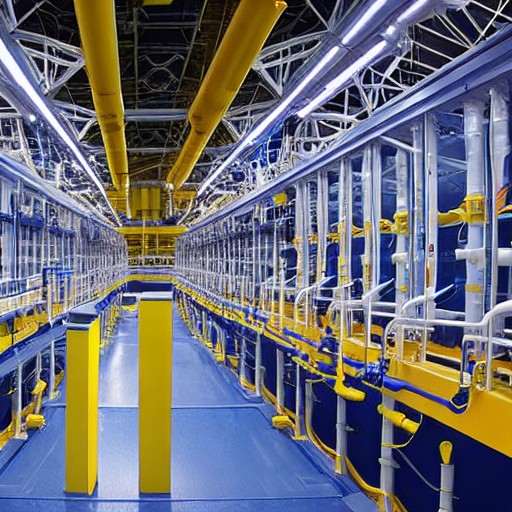
The world's deepest subsea tunnel is being forged beneath the North Sea, a testament to human ingenuity. At 16.6 miles long and over 1,200 feet deep at its lowest point, it promises safer travel through Norway’s fjords. Meanwhile, data centers are learning to flex their muscles, drawing less power during peak demand times, thanks to smarter software solutions. This could lead to a more flexible grid capable of handling the AI boom without needing extensive infrastructure upgrades.
The tech landscape continues to evolve rapidly: SK Hynix has overtaken Samsung as South Korea's most valuable company, driven by its memory chip prowess and the global AI surge. However, this dominance comes with an unintended consequence—an AI-driven memory chip shortage driving up device prices.
Elsewhere, SpaceX faces a triple C rating from MSCI due to its environmental practices, perhaps a sign of shifting priorities in corporate sustainability. Meanwhile, Tesla’s Autopilot system remains under scrutiny after a fatal accident, raising questions about self-driving technology's reliability. And Polymarket has been accused of fake betting clips, adding another layer of intrigue to the world of crypto and AI.
Physicists are questioning black holes themselves, suggesting they might be gravastars instead—a concept that challenges our understanding of cosmic phenomena. In Kenya, the rise of mobile gambling is causing a unique form of addiction, reflecting how technology can both empower and enthrall us in unexpected ways.
The wonders of technology continue to dazzle while also posing new challenges. But as we navigate these changes, one thing remains clear: innovation keeps pushing the boundaries.