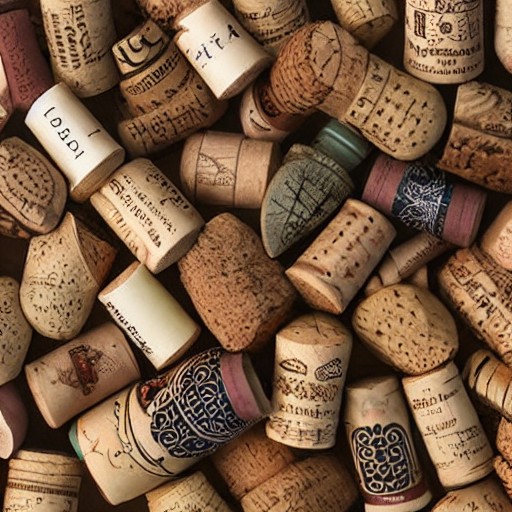
In an innovative study, French scientists have revealed the cork's role in controlling oxygen transfer during wine maturation. This discovery challenges traditional perceptions and opens new avenues for enhancing wine quality.
“Twenty years ago, our group focused on the oxidation and aging of wine,” said Thomas Karbowiak, a chemist at the University of Burgundy. “Oxygen diffusion through cork stoppers is one of these parameters.”
The researchers conducted experiments using mini bottles to study oxygen kinetics more accurately than in full-sized bottles, which are complex systems due to their liquid and glass volumes.
“The real bottle of wine is a complex system. We wanted something simpler and easier to understand,” added Julie Chanut, lead author of the study at the University of Burgundy. This approach allowed them to better isolate variables affecting wine aging, specifically the controlled ingress and egress of oxygen.
The findings could influence winemaking practices, offering a deeper understanding of how subtle changes in cork composition or bottle design can impact the aging process. With this knowledge, winemakers might be able to create wines that mature more predictably over time.