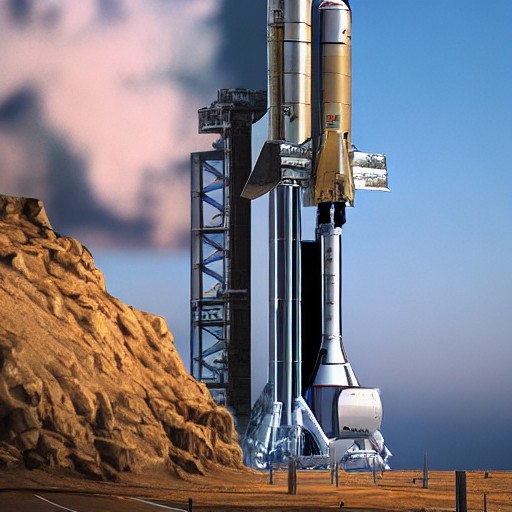
This week, Ars Technica hosted a live discussion with experts about the future of human spaceflight, focusing on Blue Origin's New Glenn rocket, which suffered a catastrophic failure in late May. The conversation delved into how this setback might impact NASA’s plans for landing humans on the Moon as part of Artemis IV.
Space industry expert Caleb Henry was pessimistic about timelines, noting that past architectural changes at Blue Origin were aimed at accelerating launch readiness—changes that did not pan out. With the 9×4 variant requiring nine first stage engines and four upper stage engines, Henry suggested a realistic timeline of around 18 months for its debut, which is already optimistic given recent setbacks.
Anthony Colangelo added that any delays could push development into the 2030s. This raises significant questions about how NASA will achieve its ambitious goal of landing astronauts on the Moon this decade, or indeed at all.
The failure of Launch Complex 36A adds another layer of uncertainty to Blue Origin's plans. While SpaceX and Blue Origin are competing to build landers and rockets for Artemis IV, Blue Origin’s delays could jeopardize NASA’s mission timelines.