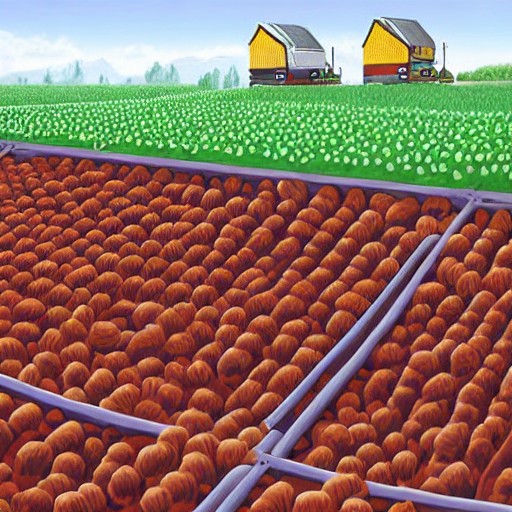
Anthony Agueda, a third-generation Californian dairy farmer, grapples with the muck of his family’s land. Beneath the dark, wet wood chips lie hundreds of thousands of red earthworms, part of an innovative vermifiltration system that filters out methane and nitrous oxide from livestock waste.
California, a pioneer in this approach, hopes to reduce dairy-related greenhouse gases by 40% over the next decade. Vermifiltration is just one of many methods farmers are exploring, alongside other biofilters and microbial treatments, as they face stricter environmental regulations.
The problem of manure pollution is significant: it contributes around 1.6% to US greenhouse-gas emissions and up to 10% globally. Methanogens in the slurry produce potent greenhouse gases that exacerbate climate change, while overuse can contaminate soil and water with harmful pathogens.
California’s stringent measures include a billion-dollar fund for adopting cleaner practices. These initiatives are not just about reducing emissions but also ensuring sustainable farming methods that protect both air and water quality.
The future of livestock farming may lie in technology like vermifiltration, which is simple, cost-effective, and part of a broader effort to make agriculture greener while still feeding the world’s growing population.