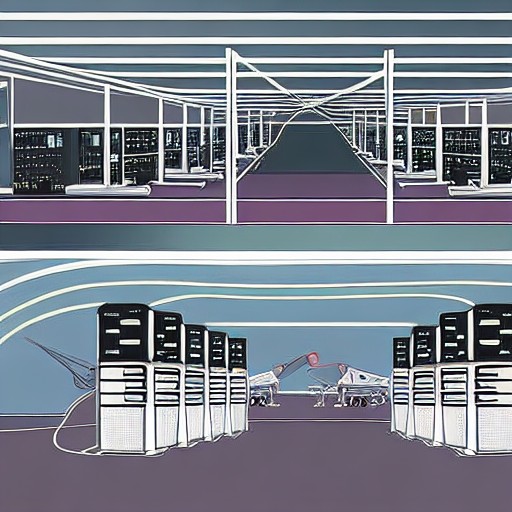
Sam Altman and Elon Musk traded heated barbs on social media over weekend, with one accusing the other of being a scammer. The spat has reignited debate about the viability of space data centers.
In essence, Altman is echoing what many experts have concluded: while the idea of launching AI-powered satellites might seem revolutionary, there are significant technological hurdles to overcome before it becomes economically viable. SpaceX’s ambitious plans for orbital data centers are underpinned by hopes that cheaper rockets and mass-produced high-power satellites will one day make such ventures feasible.
However, current realities point elsewhere. SpaceX’s Starship is scheduled for its 13th test flight soon, but even if it proves successful, the practicalities of reusability remain uncertain. Moreover, the company’s commitments to NASA and its Starlink network will likely take precedence over space data center projects.
The crux of the issue lies in scaling up operations. Musk’s assertion that SpaceX could start flying these satellites next year is a leap of faith with significant doubts attached. The real question is not if, but when SpaceX can launch and manufacture them at scale — a timeline that may stretch far into the 2030s.