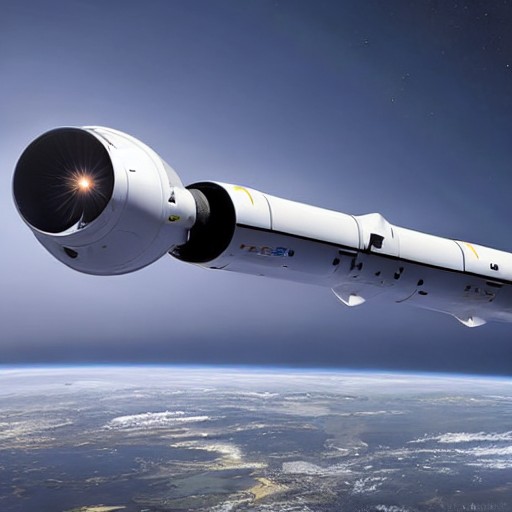
The next test flight of SpaceX's Starship spacecraft and Super Heavy booster is set to lift off later this week, with the mission expected to closely mirror the last Starship flight in May. However, there are some key differences for this launch, primarily involving the inclusion of 20 real, functioning Starlink V3 satellites inside the cargo bay.
This marks Starship’s 13th full-scale test, and the second time SpaceX has used its newest version of the spacecraft. Technicians have installed these satellites into a deployer system designed to eject them one at a time through an opening on the side of the spacecraft during their suborbital trajectory.
The flight will allow engineers to attempt establishing laser communication links between the Starlink V3s and other low-Earth orbiting spacecraft. If successful, this test could validate the interoperability of Starlink V3 with SpaceX's previous generation of satellites, a crucial step towards a seamless space-based internet.
Despite the mission’s primary focus on testing payload deployment mechanisms, the more than 400-foot-tall rocket will still follow its usual suborbital trajectory from Starbase, Texas. The flight is expected to last over an hour before both the spacecraft and satellites re-enter the atmosphere. While the ship aims for a controlled splashdown northwest of Australia, the satellites are expected to burn up during re-entry.
Given enough time in space, these satellites will extend their solar arrays and antennas, allowing them to attempt connecting with ground stations in South Africa as they fly overhead. This test could provide valuable insights into how future satellite networks might operate and integrate seamlessly with each other.