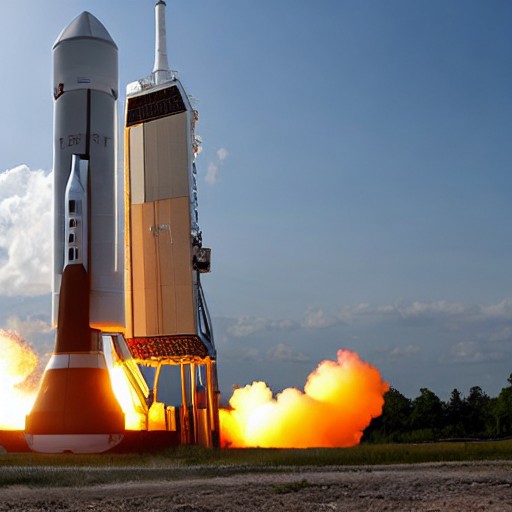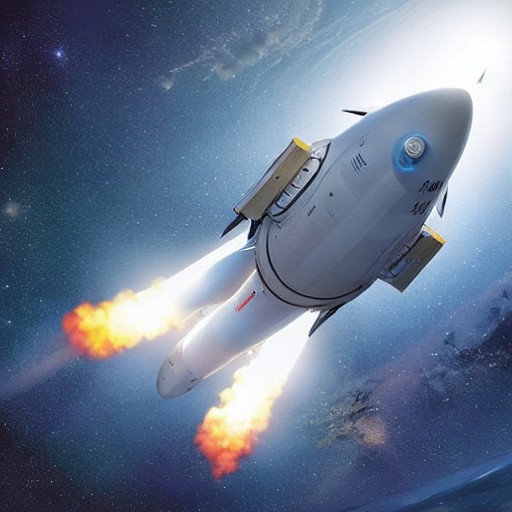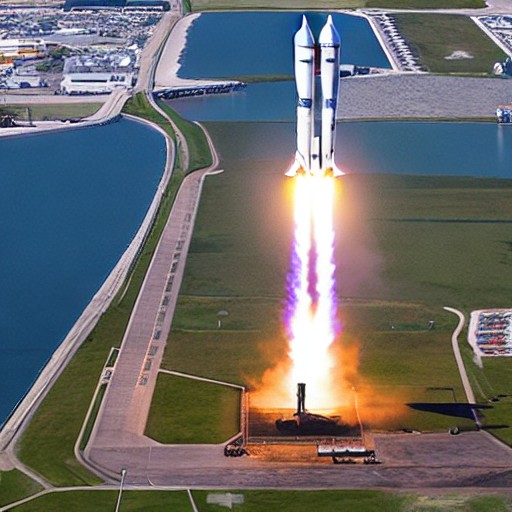
On Friday, SpaceX successfully launched the first third-generation Starlink satellites using an upgraded version of its prototype Starship. However, the company suffered another failure with its Super Heavy booster during a planned simulated landing in the Gulf of Mexico.
This marks the second time SpaceX has had issues with the Super Heavy booster on this V3 version of Starship. In May, on the first Starship V3 flight, the booster failed as it separated from the upper stage of the rocket. During Friday’s launch, the booster made it farther into its planned flight but wasn’t able to properly fire up all the engines required for its simulated landing burn and exploded after a faster-than-expected impact with the water.
Despite this setback, SpaceX had better luck with the Starship V3 upper stage during Friday’s launch. The upper stage lost an engine during the first V3 launch in May but encountered no issues on its way to deploying the new Starlinks. The Ship, as the company calls it, was able to survive atmospheric reentry and perform a simulated landing in the Indian Ocean roughly one hour after liftoff.
The ability to deploy the more capable V3 Starlink satellites improves the economics of SpaceX’s space internet network, marking a step forward for that program which is currently the only profitable part of the company's business. However, it remains unclear if SpaceX can realize these gains if Starship expends the Super Heavy booster rather than reusing it.
In today's tech-driven world, every launch brings us closer to a spacefaring future; yet, every failure serves as a reminder that space exploration is fraught with challenges. For now, the satellites shine bright in the night sky, while the booster's fate ends up in the deep blue sea.