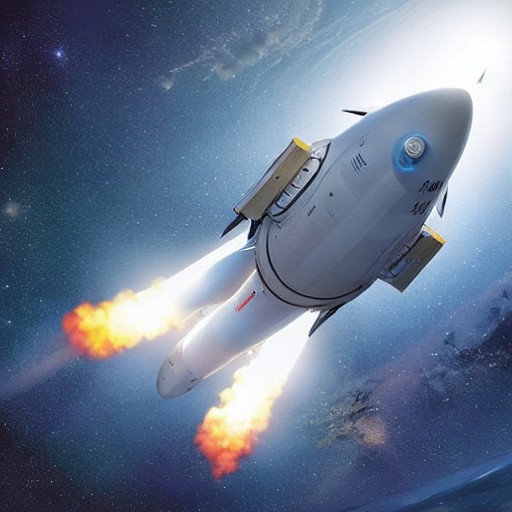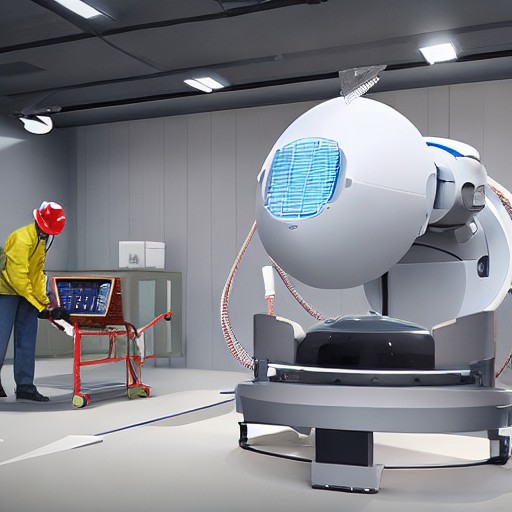
A spacecraft fitted with two flexible robotic arms has launched into orbit, marking a new era in satellite servicing. Owned and built by Northrop Grumman, the Mission Robotic Vehicle (MRV) aims for an ambitious decade-long mission to service satellites in geosynchronous orbit.
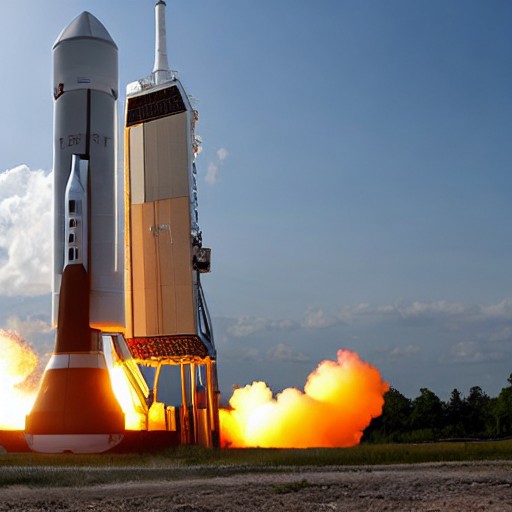
Three small propulsion pods, known as Mission Extension Pods (MEPs), travelled alongside MRV aboard a SpaceX Falcon 9 rocket. It will take about a year for these payloads to enter their final circular orbit over the equator, where they'll match Earth’s rotation and join thousands of other satellites in space.
MRV is described as the most advanced servicing satellite ever launched, with no other spacecraft of its kind known to be operational. In 2016, China launched a satellite with a robotic arm into geosynchronous orbit, but it was primarily for debris mitigation and refuelling demonstrations are still ongoing.
The real challenge will lie in MRV's ability to service and potentially extend the lifespans of other satellites in this high-altitude orbit. This could revolutionise space operations by reducing costs and extending the useful life of existing assets, all while contributing to a cleaner space environment.