As September temperatures warmed, Italian patients with no recent travel history sought medical help in Fano. The culprit? Dengue fever, a virus carried by mosquitoes. This outbreak, the largest in Europe, marks a worrying trend: tropical diseases are now local.
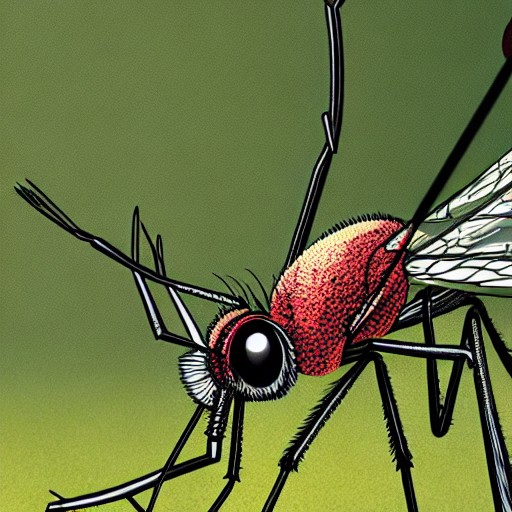
The main villain is the Asian tiger mosquito, Aedes albopictus. Unlike its night-time cousins, this daytime biter thrives between 20 and 30 degrees Celsius. As global temperatures creep up, so do its chances of settling in Europe for good.
Riccardo Moretti, a researcher at the Italian National Agency for New Technologies, warns that with warmer winters, tiger mosquitoes could become permanent residents. Currently, outbreaks tend to peak during late summer, but as seasons lengthen, infections could rise year-round. The risk of dengue becoming endemic in certain parts of Europe looms large.
Meanwhile, chikungunya and West Nile virus are on the rise, with researchers predicting that a couple of degrees cooler than previously thought can trigger outbreaks in most European countries. As climate change intensifies, so does the need for surveillance and control measures to mitigate the spread of these diseases.