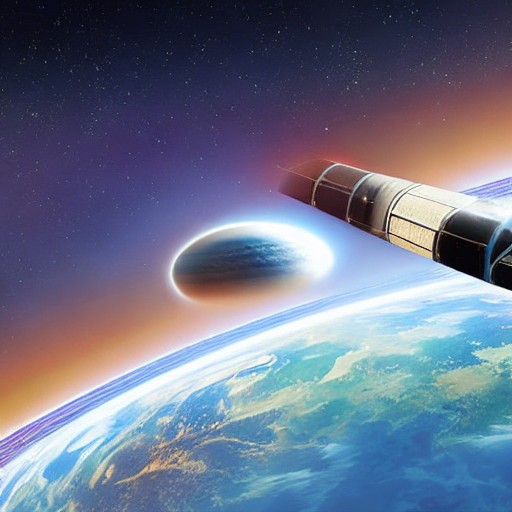
NASA’s Nancy Grace Roman Space Telescope, launching this August, is set to revolutionize our understanding of the universe. But its wide-angle infrared camera could also help track killer asteroids. With a field-of-view roughly 100 times larger than Hubble's and equipped for spotting asteroids as small as 60 feet long, Roman has the potential to significantly enhance planetary defence efforts.
The telescope will complement other observatories, like the James Webb Space Telescope, by rapidly observing multiple asteroids. However, it won’t be enough on its own—NASA is also launching the Near-Earth Object Surveyor in 2027 for a more comprehensive search of space rocks.
While Roman’s capabilities are impressive, the challenge remains: over 25,000 potentially hazardous asteroids with near-Earth orbits have yet to be found. NASA funds ground-based telescopes to help locate these threats, but Earth's atmosphere limits their effectiveness. The new surveyor aims to fill this gap by positioning itself between Earth and the Sun.
Despite the advancements, planetary defenders need a comprehensive approach. Roman’s unique combination of wide-angle vision and infrared capabilities could provide crucial data for assessing asteroid risks and planning potential deflection strategies.