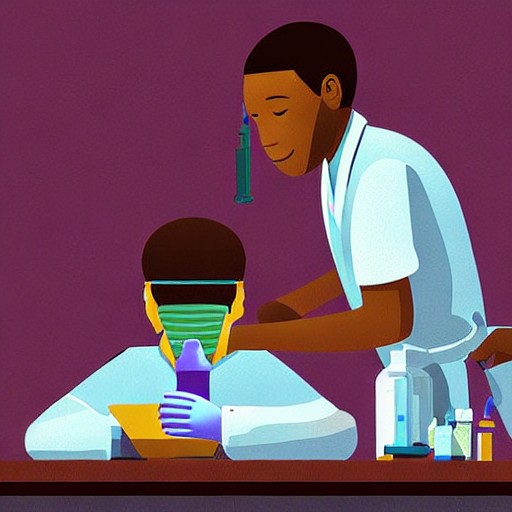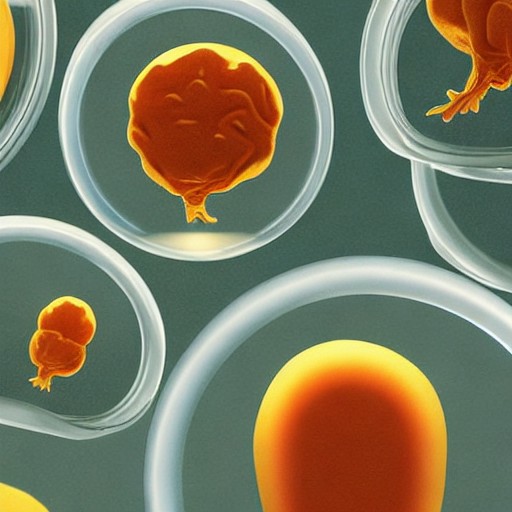
Every cell in your body has the potential to get smarter. In lab-coated biologists' hands, skin samples are transformed into clumps of brain cells, known as human brain organoids. These mini-brains live out their short lives, testing diseases and toxins, guiding robots through mazes, or even playing video games like Pong and Doom.
At the University of San Diego, Alysson Muotri’s lab is at the forefront of this research. His team has created 'Neanderthalized' brain organoids and sent payloads to the International Space Station. Muotri hopes his work will help pinpoint where the neural development of autistic children differs from neurotypical counterparts.
The process is simple yet profound: take adult cells, revert them back to their embryonic state with special proteins, and let them grow into brain organoids. These autonomous globs of tissue are not just tools for scientific exploration; they’re a step towards understanding the very building blocks of intelligence itself.
As Muotri’s son, who is autistic, receives 24-hour care, his research aims to make a difference in the lives of those with autism. By comparing the brain organoids grown from cells of autistic donors, he hopes to find answers that could lead to treatments or even cures.
While these mini-brains are fascinating, they also raise ethical questions. The transformation of stem cells into neurons happens in full view, offering unprecedented insights but also raising concerns about sentience and rights. For now, Muotri’s approach is to keep the organoids small, comparing them to a bee’s brain, hoping to temper any ethical ick.