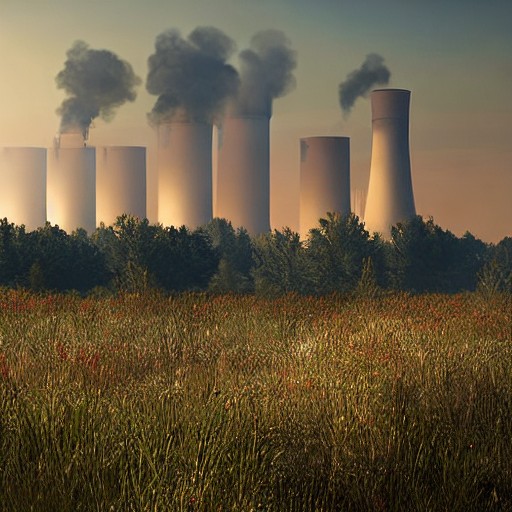
In 1965, America warned of looming air pollution threats. Five years later, President Nixon signed the Clean Air Act. Since then, air quality from vehicle and industrial emissions has improved dramatically – but wildfire smoke is now undoing those gains.
Research shows that for babies in the womb, exposure to toxic wildfire smoke significantly raises their risk of being born premature or underweight, increasing the chances of lifelong health issues.
The study, led by University of Maryland researchers and published in Frontiers in Environmental Health, reveals that while emissions from human sources have dropped, the rise in wildfires has offset these improvements. Low-income, rural and Indigenous populations face the brunt of this new threat.
“Increasing wildfire activity is systematically offsetting prenatal air quality gains,” said lead author Michel Boudreaux. This means that even as we reduce pollution from traditional sources, nature’s wrath through wildfires could be harming our most vulnerable.