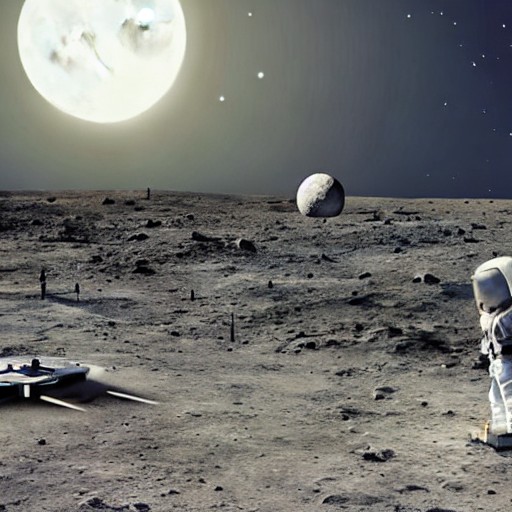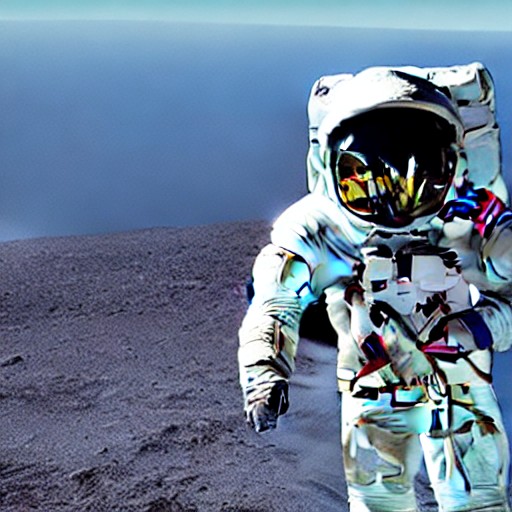
The role of astronauts is shifting, from Cold War heroes to modern-day pioneers. Artemis II’s record-breaking journey around the moon has sparked renewed interest and questions about why humans venture into space at all.
While advancements like SpaceX’s private missions hint at a future where civilians can join in, fundamental concerns linger. Is it about pushing boundaries or justifying national pride? Astronaut Leroy Chiao believes we explore to ‘see what it’s like to walk on another world.’
But as space becomes more commercial and militarised, the risks and rewards of human presence will change. Weibel suggests that our evolutionary drive to expand explains this desire for space exploration. Yet, with new bases planned, humanity must grapple with how to handle these expansive ambitions.
The stakes are high: who decides the future of space? As nations like China and Russia join the race, private companies vie for a slice of the extraterrestrial pie. The question remains—how do we balance exploration with exploitation?