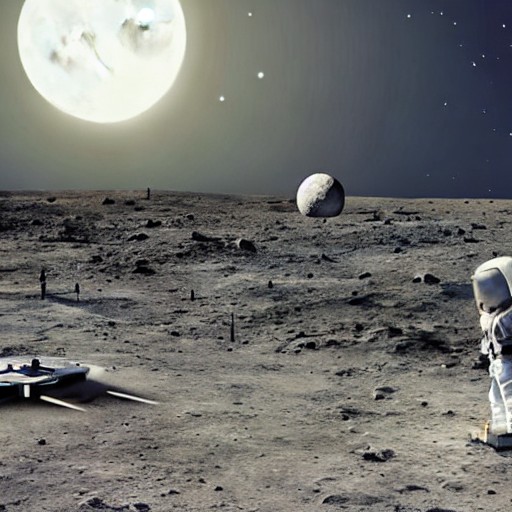
Humans haven’t set foot on the moon since 1972, but NASA's Artemis II mission aims to change that. Expected to travel farther from Earth than any human has in over half a century, it will test crucial systems for future missions aimed at creating a sustainable lunar presence.
The four astronauts, aboard the Orion capsule, are set to break Apollo 13’s distance record and observe the moon's far side – never visible from Earth. As they orbit the moon, they'll also name craters in honour of fallen friends: Integrity for their spacecraft, and Carroll for a loved one lost during the mission.
While astronauts will use iPhones to take photos, internet access is restricted. This historic flight marks a significant milestone, not just in space exploration but also as a symbol of how technology evolves even when communication with Earth remains limited.
The journey reflects NASA’s broader goals under the Artemis program: sending the first woman and the next man to the moon by 2024, and laying the groundwork for long-term lunar habitation. Future missions like Artemis IV will build on this experience, potentially paving the way for a more permanent human presence in space.