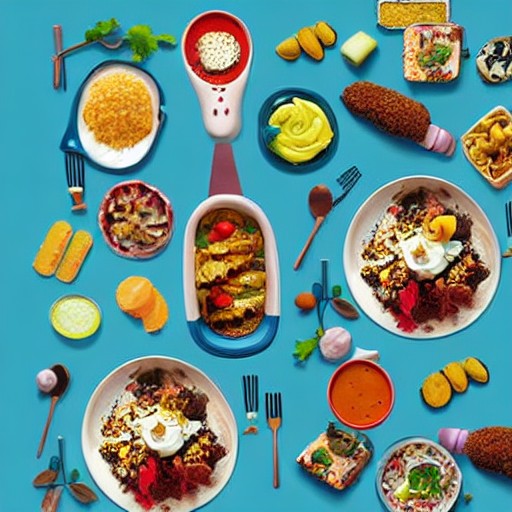
There's a digital deluge of unappetizing slop emerging from restaurants and brands, as they increasingly turn to AI to generate images of their food. The results are a horror show, with donut shrimp, wormlike noodles, and construction material masquerading as ice cream. Diffusion models, starting with pure noise and gradually removing it, struggle with thin, continuous structures, leading to noodly artifacts and bizarre textures.
The models lack an understanding of the objects they create or the physical world. AI image generation reproduces looks without proper knowledge about the world, leading to unsettling interpretations. Food photography is often highly stylized, and AI models can pick up on these surface qualities, but without context, the results are often cringe-inducing.
The underlying structure of the images can also go wrong, with vivid texture details added on top of basic structures. This can result in things like donut shrimp and burgers seemingly fashioned from rocks. The images used to train these models can also compound the problem, as we don’t know what mix of content they’re receiving or what associations they’re making.
It's a stark reminder that while AI can mimic human creativity, it lacks the nuanced understanding and context that makes human artistry truly special. These digital dinner disasters are a fascinating glimpse into the limits of current AI technology.