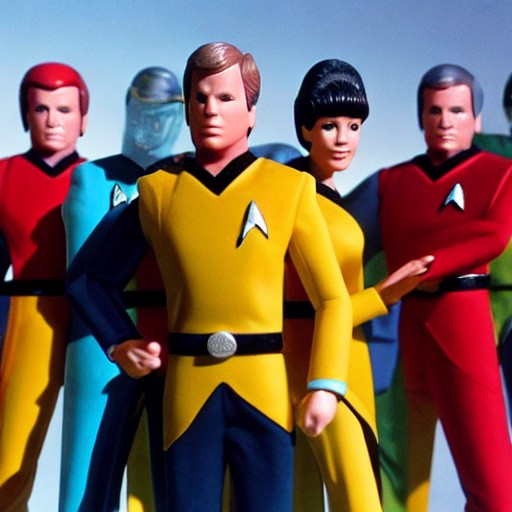
William Shatner wasn’t certain the audience would warm to his new documentary, but after the New York premiere of ‘The Sixty-Year Mission: How Star Trek Changed Television and the World’, it’s safe to say he was pleasantly surprised. The film, directed by Mark A. Altman, explores how the original Star Trek series, which aired from 1966 to 1969, was shaped by the 1960s political climate and its legacy.
Focusing on the original series, the documentary weaves together interviews with stars like Shatner, Simon Pegg, Jonathan Frakes, and Brent Spiner, alongside their personal stories. These include George Takei’s harrowing account of his internment camp experience during World War II and Nichelle Nichols’ pioneering role as Lieutenant Uhura, which remains a beacon of progressive representation. Altman argues that 'Captain Kirk was JFK: Space Captain,' reflecting how Star Trek embodied the essence of the New Frontier.
The film also delves into the show’s impact on people’s lives, particularly in light of the diverse and inclusive crew. Karim Diané, who plays the first openly gay Klingon character in Star Trek: Starfleet Academy, speaks of the overwhelming love he has received from viewers. Additionally, the documentary examines Star Trek's views on artificial intelligence, which, in the light of modern debates, offers a thoughtful and prophetic perspective.
As Shatner reflects, Star Trek’s influence on people’s lives transcends the mere entertainment value. The show’s ability to maintain its accessibility and relevance despite the tensions within its politics speaks to its enduring appeal. It’s a testament to the show’s creators and its legacy that it continues to resonate with new generations, much like the captain himself did his six-year mission.