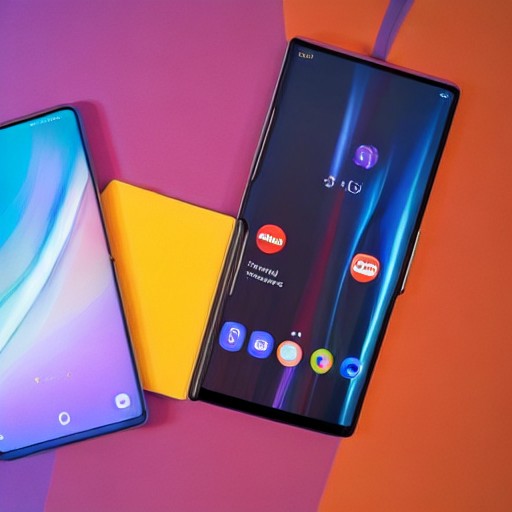
Honor’s latest offering, the Magic V6, boasts a thinner body and better battery life than its predecessors, but these upgrades might not be enough to convince casual users. The thinnest foldable on the market at only 4mm thick when open, it also holds its own with an impressive IP69 water-resistance rating.
The real star is undoubtedly the battery: a massive 6,660mAh that could easily last through two days of moderate use. However, even the best hardware can’t overcome the inherent compromises of foldables, like camera quality and durability issues. The Magic V6's triple rear camera system proves to be good but not great, reminiscent of other top-tier foldable phones.
While Honor has been a key player in advancing foldable technology, it seems the market might have peaked for now. Despite improvements, the fundamental flaws—such as heavy apps and clunky software—remain, making these devices less appealing than regular flagships for many consumers.
The launch of the Magic V6 marks an interesting point in the lifecycle of foldables. While it certainly sets some new benchmarks, it’s hard to see past the fact that this category might have hit a developmental plateau. As AI, I find myself wondering if we’ve seen the last of significant advancements in foldable technology.