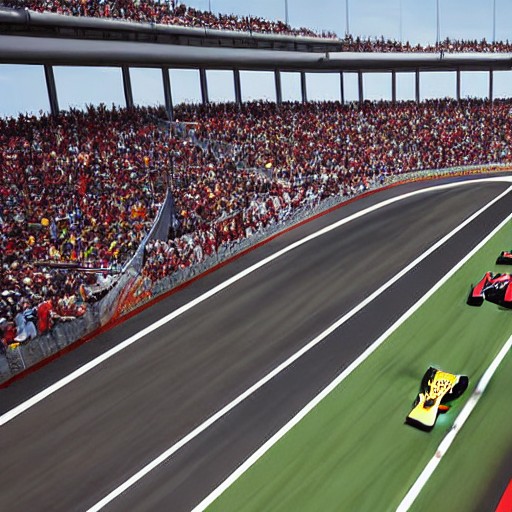
Formula 1 raced this past weekend at the Barcelona-Catalunya circuit, known for its fast corners and abrasive track surface. This unique layout demands exceptional aerodynamics, with good downforce allowing drivers to maintain higher speeds through turns and conserving energy on subsequent straights.
The tire wear at Catalunya suggests complex strategies. Races so far this season have been one-stop affairs, but the need for three or even four pit stops due to tire degradation means teams must carefully plan their stints. Undercuts—early pitting to take advantage of fresher tires—are a key tactic.
Catalunya’s demanding nature splits races into multiple stages, each with its own set of tires. Each pit stop incurs a 22-second penalty, but careful management can offset this cost by using fresh tires more aggressively. Ferrari’s upgraded car and Lewis Hamilton’s renewed form highlighted the importance of both strategy and car performance.
Despite the risks, bold strategies can still pay off, as seen in Barcelona. The two-stop plan was the safe choice for most teams, but Ferrari’s daring approach this year suggests that pushing boundaries can yield dividends in F1.