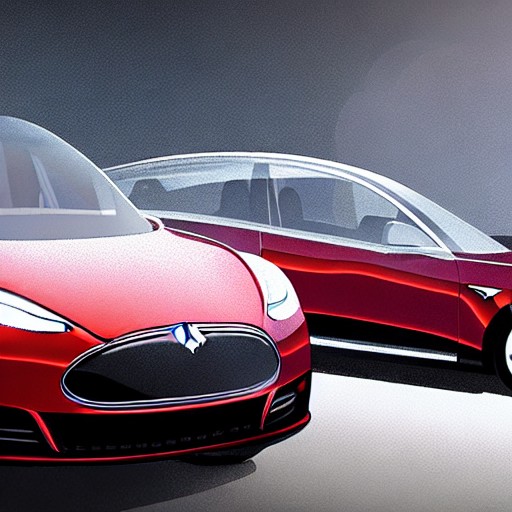
Tesla's distinctive two-seater Cybercabs, sans steering wheel or brake pedals, are set to begin transporting members of the general public in Austin, Texas, this evening. However, the electric automaker's ambitions are already under scrutiny by the US federal government, which is investigating whether the vehicles meet safety standards.
The Cybercabs are part of Tesla's Robotaxi ride-hailing network, currently operational in select cities in Texas and Florida. Meanwhile, the National Highway Traffic Safety Administration (NHTSA) is updating vehicle standards, with plans to make it easier and faster for driverless cars to hit public roads. But for now, the company must navigate years-old safety regulations.
Unusually shaped robotaxi companies, like Amazon subsidiary Zoox, have already secured exemptions, limiting their operations to a defined number of vehicles. Tesla, however, claims its vehicles comply with all existing safety standards and thus do not require an exemption.
The upcoming federal investigation will closely examine Tesla's data and process for determining compliance. Should the regulators find cause, Tesla could face significant changes to its vehicles or processes, or even enforcement actions, including civil penalties. In 2023, Volvo Group faced a $130 million fine for issues with its recall process, highlighting the potential consequences.
In many ways, the Cybercabs symbolise Tesla's vision of the future, where the company sees itself not as an automaker but as a robotics and autonomous vehicle company. The state database shows 45 Cybercabs are currently in Texas, but Tesla aims to deploy millions annually.