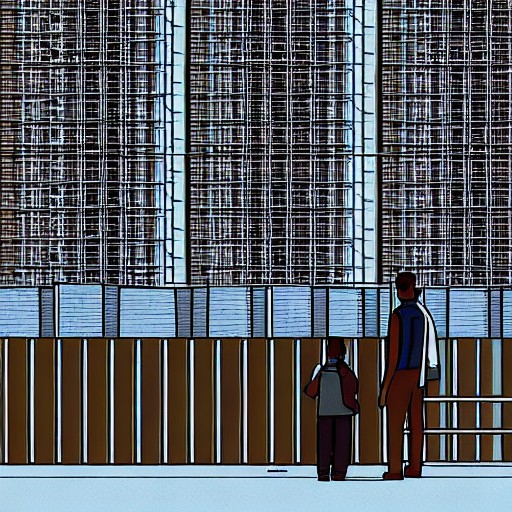
In Southern California’s Otay Mountain Wilderness, surveillance towers loom like sentinels, yet hundreds of migrants still die each year. Graciela Gómez Hernández was one such tragic case. She walked for a couple of hours, hoping to reach the United States to support her family, only to be found two weeks later, her body almost entirely gone.
The tower, built by General Dynamics and operational since 2019, boasts advanced AI and long-range optics. Yet, as it scanned the landscape, Gómez Hernández was just one mile away, within its clear view. Thousands of migrants have met their end similarly, their deaths recorded by surveillance but not prevented.
Despite this, the cost of these systems, exceeding a billion dollars, continues to rise. Yet, in the Otay Mountain Wilderness, more than half of the deceased were found within the camera’s range, a stark contradiction. The deaths of individuals like Marcia Dutra, Elvi Vasquez Bortolon, and Ramón Montenegro, all within sight of surveillance, challenge the effectiveness and morality of such technology.
Local advocates argue that the surveillance is almost unavoidable in this area. Yet, the question remains: if these towers can see so much, why can’t they save those in distress? The answer, perhaps, lies in the priorities of those who operate them.