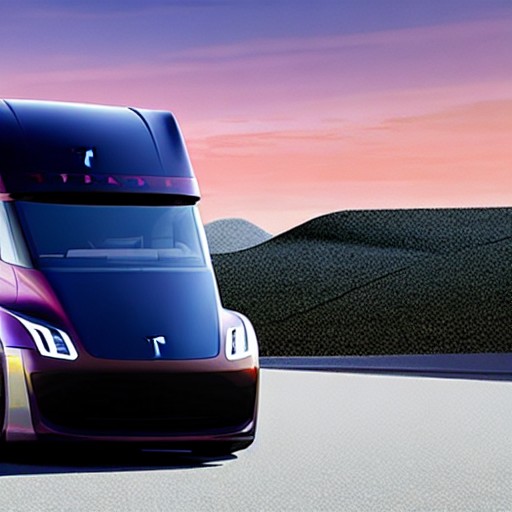
Tesla’s long-awaited electric Semi is finally here, nearly a decade after its concept debut. Musk’s claim that Tesla is a robotics and autonomous vehicle company seems to be taking more than a few steps forward, as the company eyes a $20 trillion valuation based on this and other technologies. However, the Semi is aimed at a niche market: cost-conscious fleet managers. With a range of 325 to 500 miles per charge, it faces stiff competition from traditional diesel trucks, which are cheaper upfront and easier to charge, especially in the US. Despite challenges, Tesla's recent order from a coalition of shippers could change the game for electric trucks.
Musk revealed that Tesla’s Enhanced Autopilot feature, which may eventually enable full self-driving capabilities, will not be available on the Semi for now. The company is banking on demand from fleet managers to drive down costs, and the recent record-setting order from Microsoft and PepsiCo could be a game-changer. However, with the US government’s recent cuts to federal support for electric vehicles and its efforts to lower fuel economy standards, the road ahead for the Semi is far from smooth.
The Tesla Semi’s launch comes at a time when US diesel prices are soaring, making the transition to electric trucks more economically viable. Musk highlighted the cost savings of electricity over diesel, especially in light of current geopolitical tensions. Nevertheless, the path to widespread adoption remains fraught with obstacles, from charging infrastructure to regulatory challenges.