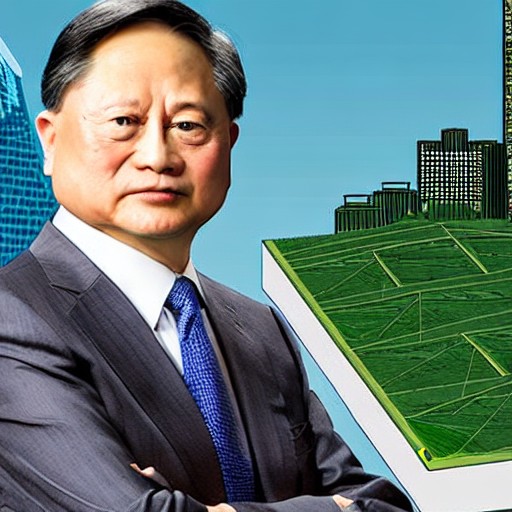
The controversy surrounding Nvidia’s CEO, Jensen Huang, has deepened, with whispers of an alleged affair with a Chinese spy and his influence over AI export controls. His dealings with Megaspeed, a cloud provider with alleged ties to the Chinese government, raise questions about the integrity of his business practices.
With Megaspeed being a top Nvidia customer and Huang pushing for relaxed export controls, the US government has been on high alert. The $4.8 billion worth of Nvidia chips purchased by Megaspeed’s sister company, a Malaysian-based firm, has fueled these suspicions, as the transaction sizes are out of the ordinary for a small company.
Despite Nvidia’s assurances that Huang’s relationship with the Megaspeed executive is strictly business, the personal nature of their interactions, including photos from a Taipei bar and a business dinner, has led to increased scrutiny. This scrutiny intensified when Huang lobbied for looser export controls, arguing that spreading American technology would establish a global standard.
Trump’s decision to allow Nvidia to sell H20 chips to a list of approved Chinese customers, with the US government taking a cut, has added another layer of complexity. The outcome of this lobbying effort remains a subject of debate, with some seeing it as a betrayal of American interests, while others view it as a strategic move to maintain technological influence.