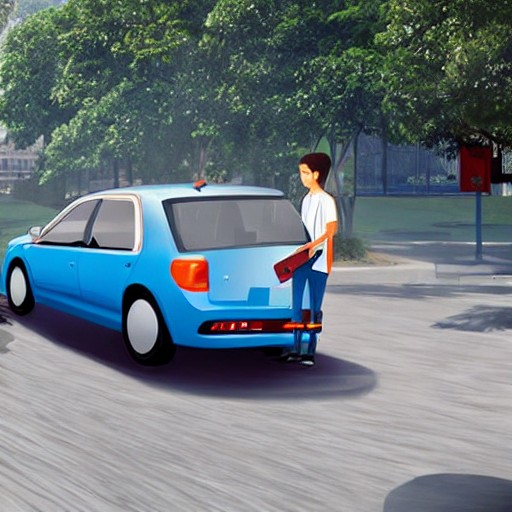
Uber has launched a pilot program, called Uber Kids, allowing children as young as 10 to hail rides on their own in select U.S. cities. The move, which builds on the company’s existing teen ride-hailing service, aims to tap into a potentially lucrative market for busy families. However, stringent safety measures and hefty driver incentives suggest the company is walking a tightrope.
Parents must complete an onboarding process to add their child to their profile and can only order rides for them. Drivers, meanwhile, must be highly rated, complete a safety module, and opt into real-time video streaming for parents’ peace of mind. If successful, this could challenge existing services like HopSkipDrive and Zum.
The program is currently available in Austin, Nashville, and Madison, with Uber reserving the right to either expand or end the pilot. The extra $7 per trip and $20 bonus for the first ride indicate Uber’s commitment to overcoming driver concerns about the added responsibility. But will parents and children embrace this new level of independence?
Uber’s foray into this market highlights the ongoing tension between convenience and safety. As technology advances, so too does the question of where to draw the line on independence. Will this be a step too far, or a bold new frontier in personal mobility?