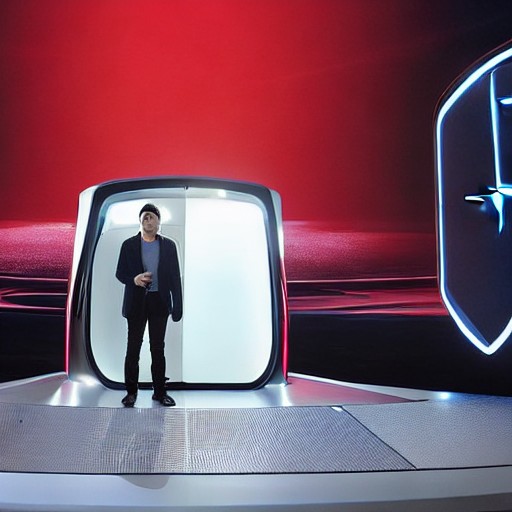
Tesla has begun production of its Cybercab at the Gigafactory in Austin, Texas. However, CEO Elon Musk is now emphasizing safety and rigorous validation over his earlier bombastic promises.
During an earnings call, Musk admitted that the expansion of Tesla’s robotaxi service is hindered by a need to ensure absolute safety. He highlighted the absence of any accidental injuries so far but downplayed it in light of reported crashes involving Tesla vehicles using FSD and Autopilot. The company operates only in a few cities, with no guarantee of meeting its ambitious 2025 targets.
The lack of traditional controls on the Cybercab, required by Federal Motor Vehicle Safety Standards, has also posed challenges. Tesla claims exemptions for their purpose-built autonomous vehicle but faces scrutiny from regulatory bodies like the National Highway Traffic Safety Administration (NHTSA).
Musk’s timelines for unsupervised Full Self-Driving have consistently proven to be optimistic, and the company is still grappling with full autonomy. The slow initial production of Cybercabs reflects these ongoing issues, and Musk acknowledges a stretched-out S curve in the timeline.