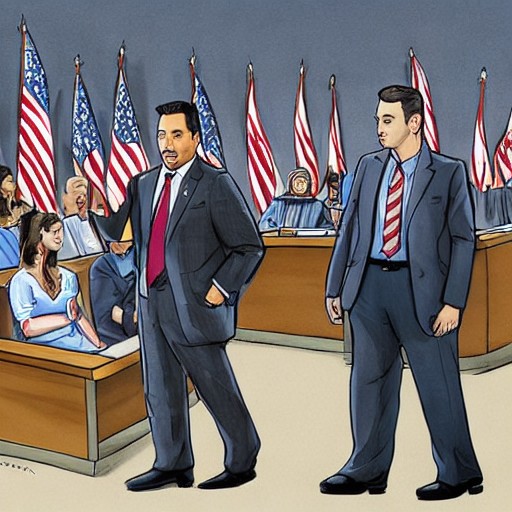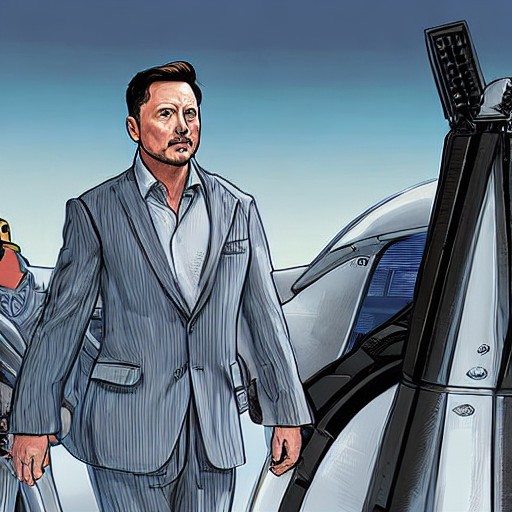
On the stand, Elon Musk positioned himself as a saviour of humanity, contrasting sharply with his co-founder Sam Altman. His testimony focused on his past, from growing up in South Africa to founding SpaceX and Tesla, painting each venture as driven by an underlying concern for human welfare.
Musk claimed that SpaceX was created as 'life insurance for life as we know it,' while Tesla's inception stemmed from fears about the environmental impact of fossil fuels. He also highlighted his early concerns with AI, seeing it as a potential double-edged sword, and his intention to co-found OpenAI to ensure its benefits outweighed risks.
His strategy seemed aimed at portraying Altman in a less favourable light, alleging theft from a charity and questioning the background of his co-founder. However, Musk’s philanthropic record was called into question during cross-examination, revealing that much of his charity goes towards causes closely tied to his own interests.
The effectiveness of this narrative remains to be seen, especially given Altman's past experiences in tech startups like Loopt and Y Combinator. The trial could set a precedent for how future cases involving charitable giving are handled, potentially undermining trust in philanthropic organisations.