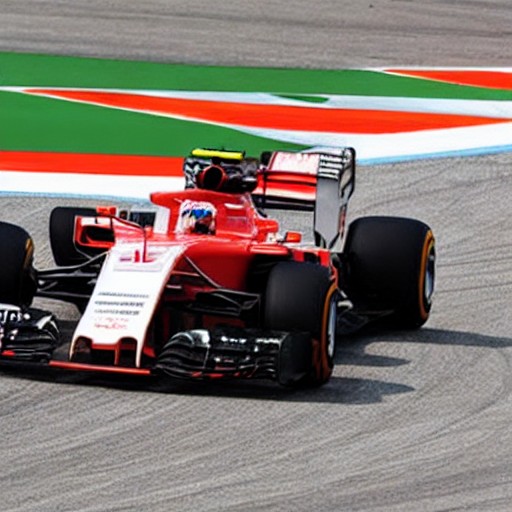
After a five-week hiatus, Formula One returned to Miami, where the track is as artificial as the fans’ wallets. The city’s temporary circuit around Hard Rock Stadium was designed more for luxury than speed, with hospitality suites costing up to $95,000 and little sea-view action.
A key change this season limits the cars' energy regeneration, leading to frenetic qualifying sessions where drivers can’t go flat-out. This has resulted in exciting but confusing “yo-yo” racing, where positions are frequently swapped.
The new rules at Miami allow for 7 MJ of energy recovery per lap, providing ample braking zones and reducing the potential for crashes like Oliver Bearman’s in Japan. The organizers wisely extended practice time to 90 minutes on Friday, acknowledging the new challenges.
With just an hour's practice on Friday morning, a shortened qualifying session, and a sprint race the following day, Miami aims to be a glamorous stop for F1. But it remains to be seen if these upgrades will please the fans or just add another layer of complexity to the already intricate world of Formula One.