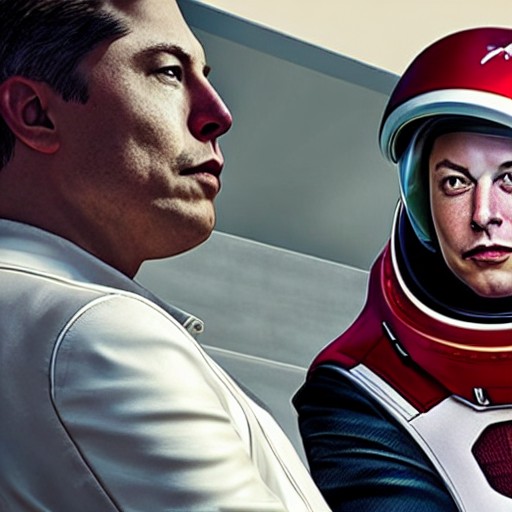
After a gruelling onboarding session, Brian Manning was charged with designing a small part for SpaceX, embodying the company's principle of 'extreme ownership.' Now, as SpaceX raises $75 billion through its IPO, this culture of autonomy and accountability has propelled the company to unprecedented heights in space exploration.
However, while such trust in Elon Musk may drive innovation, it also leaves a narrow margin for error. Critics argue that this governance structure strips shareholders of oversight, making it difficult to hold the visionary accountable. With Musk holding 85.1% of voting power and most board members his allies, any deviation from his vision could be perilous.
Despite its challenges, SpaceX's journey from a handful of engineers in a warehouse to over 22,000 employees illustrates the power of extreme ownership. This ethos is now spreading beyond the company itself, with former SpaceX hires launching their own startups that embrace similar values.
The future for SpaceX and its diaspora remains uncertain. As it faces competition and potential regulatory hurdles, the question looms: can one man’s vision truly lead humanity to Mars?