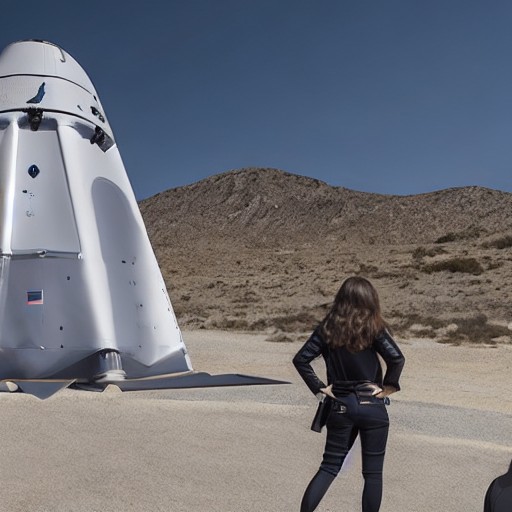
For years, SpaceX has been the poster child for ambitious innovation, from reusable rockets to a global satellite network. Now, following its record-breaking IPO, it’s entered the realm of publicly traded companies.
The Financial Times priced 555.6 million shares at $135 each, raising a staggering $85.7 billion. SpaceX not only broke records but also catapulted CEO Elon Musk to the title of world’s first trillionaire – no small feat for an entrepreneur with a penchant for grandiose visions.
SpaceX COO Gwynne Shotwell hinted at future mergers, suggesting that Tesla and SpaceX might one day merge. This comment has sent ripples through the tech community, as it would significantly increase Musk’s influence over both companies.
The IPO marks a new chapter for SpaceX, with the company now facing different challenges: public scrutiny, regulatory hurdles, and the pressure to maintain shareholder value. As of June 12, shares opened at $150 on Nasdaq, closing at $160.95 – a 19% rise that delighted investors.
The journey from private to public has been swift but tumultuous for SpaceX. The S-1 filing revealed significant operational losses and insider wealth, with thousands of employees potentially becoming millionaires overnight. However, it also exposed potential risks for lower-tier SPV investors facing hidden fees and delays.