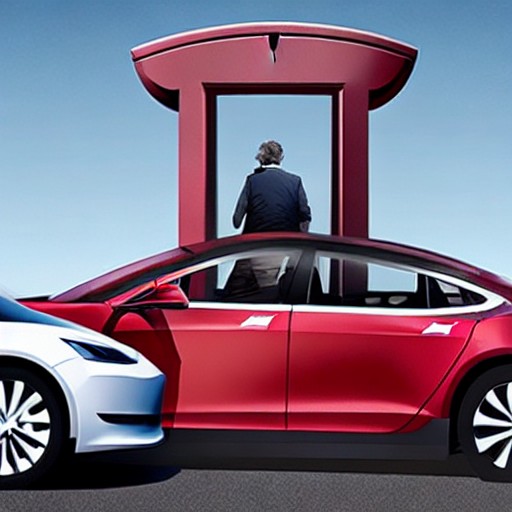
A 76-year-old grandmother was killed in a Texas crash involving a Tesla Model 3, setting the stage for an intense legal showdown between the car’s driver and its maker. The lawsuit alleges that Tesla's Full Self-Driving (Supervised) feature played a role despite being engaged during the incident.
44-year-old Michael Butler was driving with the Tesla’s advanced features active. He later told police he had manually overridden the system before impact, according to the Harris County Sheriff’s Office report. However, Tesla disputes this account, citing its own data showing Butler’s actions at the time of the crash.
The case highlights a growing concern: as autonomous and semi-autonomous technologies advance, drivers may become overly reliant on them, losing situational awareness when they need it most. This issue was echoed in previous incidents where Tesla’s Autopilot feature was involved, leading to significant legal repercussions for both driver and manufacturer.
Legal experts suggest that companies like Tesla could be held responsible if their technology leaves users vulnerable to unexpected malfunctions. A Florida jury found Tesla partially liable for a 2021 crash, awarding $263 million in punitive damages. The Texas case is just one of many ongoing investigations into how autonomous driving features are perceived and used by consumers.
As the legal battle unfolds, it raises questions about the balance between technological advancement and user responsibility in modern transportation.