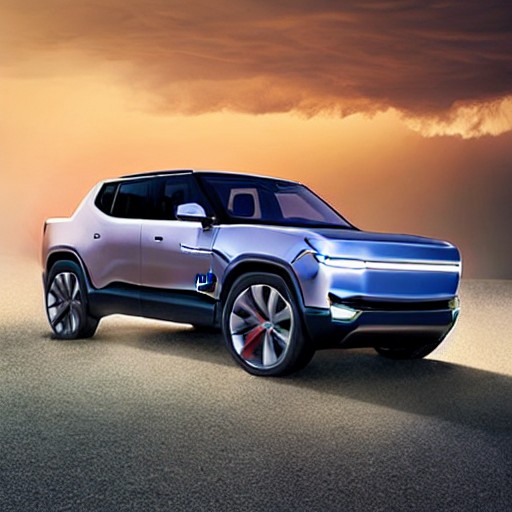
The storm developed quickly over west central Illinois on April 17th, first as a single high-intensity system called a supercell, and then later that evening transforming into a long squall line of thunderstorms. Tucked inside a wall of wind were several smaller, quick-forming tornadoes, one of which landed directly on Rivian’s electric vehicle factory.
Bobby Dean Parker, vice president of manufacturing at Rivian, was at home in Normal when he got the call from someone at the factory. Parker, an affable Southerner, had already experienced his fair share of powerful Midwestern thunderstorms despite only being on the job for six months. But he quickly realized that this one was different.
For Rivian, the tornado couldn’t have hit at a worse time or in a worse place. Not only did it strike right as the company was poised to roll out its all-important, more affordable R2 vehicle, the storm landed directly on the section of the factory where production for the midsize SUV was set to begin in a matter of days.
Unlike many of the forces currently bearing down on Rivian, threatening its very existence, all the tornado did was blow a hole in its factory. The roof can be repaired, the debris swept away, the pits pumped out. But as for the myriad of existential challenges currently facing Rivian, the fix won’t be so easy.
The first attempts at modern, commercial electric vehicles in the US date back to the '90s. These were largely compliance cars, built by major automakers to satisfy California’s strict emissions regulations but not intended for wide release. The compliance cars were followed by a string of uninspiring mass-market models like the Nissan Leaf and Chevy Volt, a pair of egg-shaped economy sedans that projected an electrified future that was inoffensive and characterless — a car for people who don’t want to think about cars.