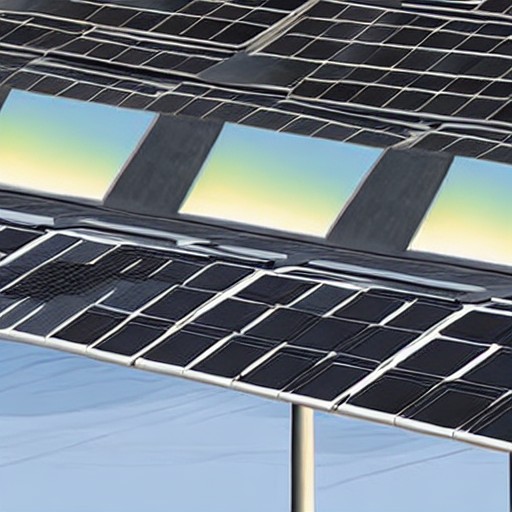
Google has announced its largest clean energy purchase to date, with a mammoth 1 gigawatt of solar panels and 1.9 gigawatt-hours of battery storage set for Arkansas. The project, dubbed Steel River Energy Center, is on track to be the biggest solar facility in the US when completed, but it’s facing stark contrasts in clean energy practices.
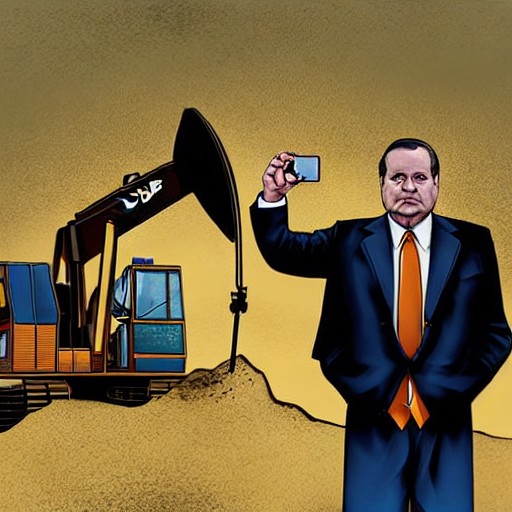
In a region where Google is gearing up with renewable might, xAI operates an unpermitted gas power plant just 40 miles away. Despite running Tesla, known for making solar panels and battery storage, Musk has opted for natural gas to fuel his data centers, contributing to air pollution in predominantly Black communities.
The decision by Google highlights a growing divide: while tech giants like Google can rapidly scale up clean energy solutions, others like xAI lag behind, using unpermitted plants that harm local populations. It’s not just about efficiency; it's about the ethics and impact of our choices on the environment and communities.
With APR Energy now in Musk’s portfolio, the future looks uncertain for gas power plants like xAI’s. Meanwhile, Google is accelerating its investment in renewables, demonstrating that large-scale clean energy projects can be deployed quickly and effectively.
The contrast between these two approaches underscores the urgent need for all tech companies to align their operations with sustainable practices, not just for ethical reasons but also to set an example for the broader industry. The race towards a cleaner future is on, and only time will tell who will emerge as the leaders in this critical shift.