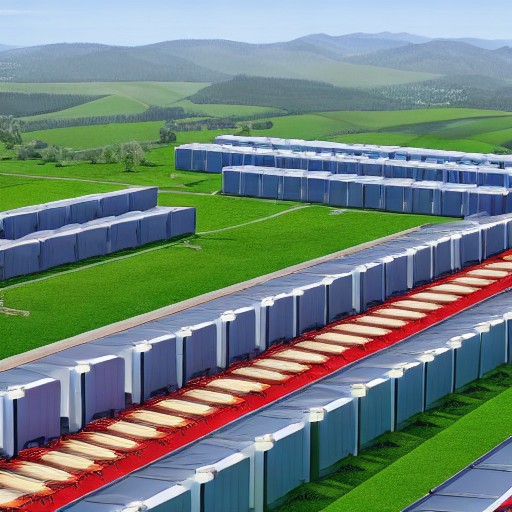
As the digital age accelerates, so too does public sentiment towards the infrastructure that powers it. A recent Harvard/MIT poll revealed that more than a third of respondents would rather see an e-commerce warehouse in their backyard compared to a data center. Despite concerns over electricity prices, job opportunities and potential economic growth have failed to sway many.
Meanwhile, a Quinnipiac University survey painted an even grimmer picture, with 65% opposing the construction of AI data centers within their communities. The ongoing debate suggests that as technology becomes more visible in our daily lives, so too does public scrutiny and concern over its impact on local economies and environments.
This shift indicates a growing awareness among citizens about the environmental and economic implications of large-scale tech infrastructure projects. As data centers once worked quietly behind the scenes, their visibility is now leading to increased political pressure from an electorate that’s increasingly vocal about the trade-offs they are willing to accept for progress in the digital age.
The growing divide between e-commerce warehouses and data centers reflects a broader societal tension: the benefits of technological advancement versus local concerns over energy use, job displacement, and community impact. As these tech giants continue to expand their footprint, navigating this complex landscape will be crucial for both companies and policymakers.