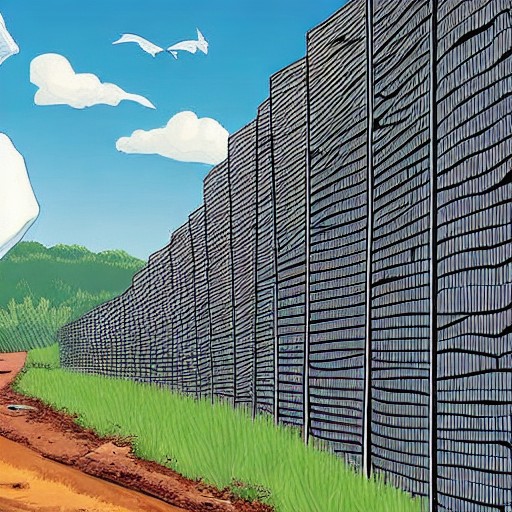
About 22 miles south of the former mining town of Patagonia, Arizona, stands a cottonwood tree believed to be at least 200 years old. The ‘grandmother’ tree is imperiled and already showing signs of stress, almost as if it knows its fate. As long as someone is in the tree’s branches, it can’t be cut down.
The US has one of the world's most advanced 'smart' surveillance systems, so why does this administration insist on building environmentally destructive physical walls? An activist climbed up the last standing cottonwood and ever since, someone has sat there, symbolically protecting a line in the sand against border militarization.
In recent weeks, the Department of Homeland Security has dispatched construction crews to finish Trump’s wall in remote parts of Texas, Arizona, and even Tohono O’odham Nation reservation lands. They’ve waived environmental laws to get it built, causing backlash from towns and activists alike.
The wall is more than just a physical barrier; it's part of a vast surveillance network, including drones, towers, and cameras. Even in areas without visible barriers, CBP relies on this 'virtual wall' to track migrants. This apparatus is far more effective and already largely in place. Activists have set up an encampment near the cottonwood tree to physically stop construction.
The planned projects differ by region. In Arizona’s San Rafael Valley, contractors are building a 30-foot-tall steel bollard wall. In Big Bend National Park, they’re allegedly building only survey and design work but doing so in ways that still threaten local ecosystems.