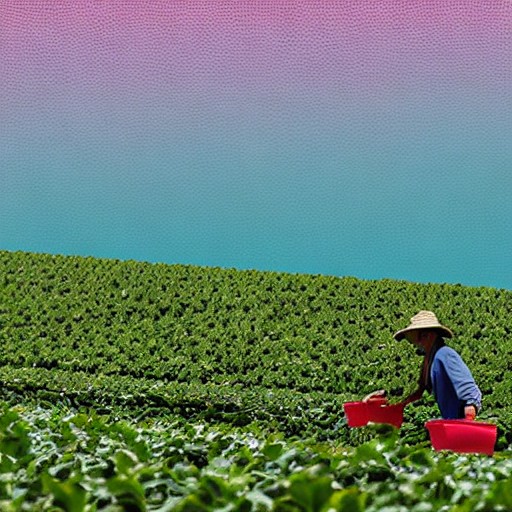
For the nation’s two million and four hundred thousand farmworkers, rising temperatures are making their hazardous work even more perilous. Heat stress makes them more vulnerable to pesticides, which can be inhaled or absorbed through skin and sweat. Higher evaporation rates mean greater exposure as more pesticides are used.
The Union for Concerned Scientists warns that hotter weather could expand pesticide use, as pests and weeds become harder to control. Meanwhile, thousands suffer acute poisoning annually, with many cases unreported.
Farmworkers, predominantly people of colour from other nations, often lack access to proper protective gear or medical care. Their plight highlights the intersection of climate change and social inequality.